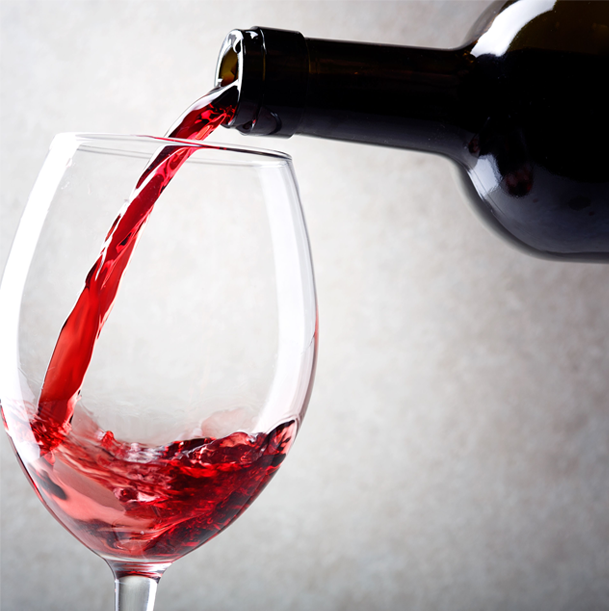
Red Wine
Red wine is a specific type of wine that is produced from grapes with dark skin tones. The colour of the wine can range from a deep violet, which is typical of young wines, to brick red and brown, which are characteristics of older red wines. The majority of purple grapes contain greenish-white juice, and the anthocyan pigments in the grape skin are what give the juice its crimson colour. Red wine is primarily made by removing the colour and flavor-giving elements of the grape skin.
Shiraz Wine
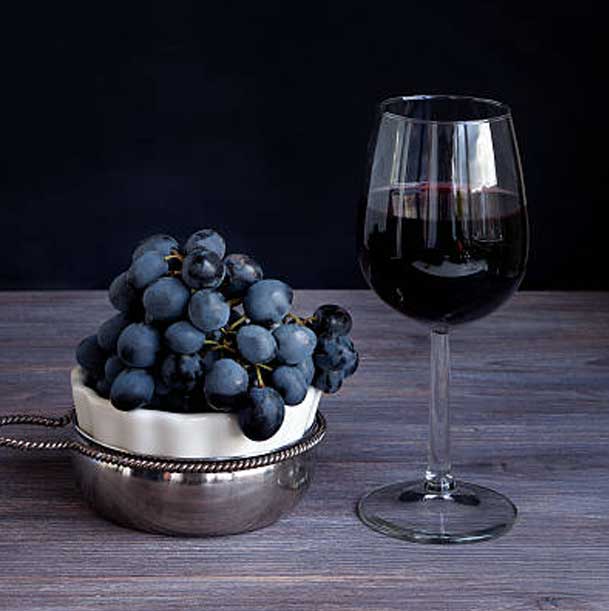
Shiraz wine is a deep purplish, ruby red wine, which comes from the tannins in deep red grape skins. During the earlier stages, these wines can be dark, inky, and opaque. Compared to Sauvignon Rouge, it is quite deeper and a bit darker. This wine’s colour changes with age – as time passes, the deep purplish ruby red color can fade into lighter shades of garnet.
Shiraz wine is bold and full of aroma. Generally, it can be tannic and acidic, and it can have hints of blackberry and dark chocolate. Sometimes it can be minty, fruity, or even smoky. This is a wonderful type of red wine that any enthusiast can be enjoy.
White Wine
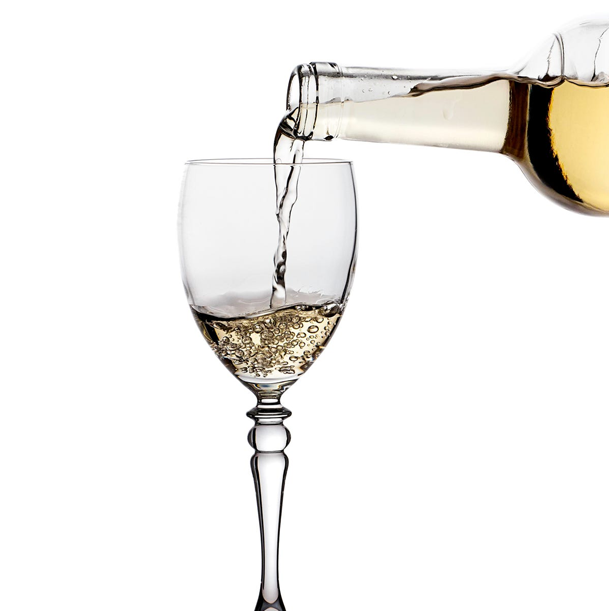
White wine is a type of wine that undergoes skin-free fermentation. Straw yellow, yellow-green, or yellow-gold are all acceptable hues. It is created through the alcoholic fermentation of grapes with any colour of skin, but no colour in the pulp. There has been white wine around for at least 4,000 years. White wines are frequently served with dessert, as an apéritif before a meal, or as a light beverage in between courses. Compared to the majority of their red wine counterparts, white wines are sometimes thought of as being more reviving and lighter in both style and flavour.
Aged Wine
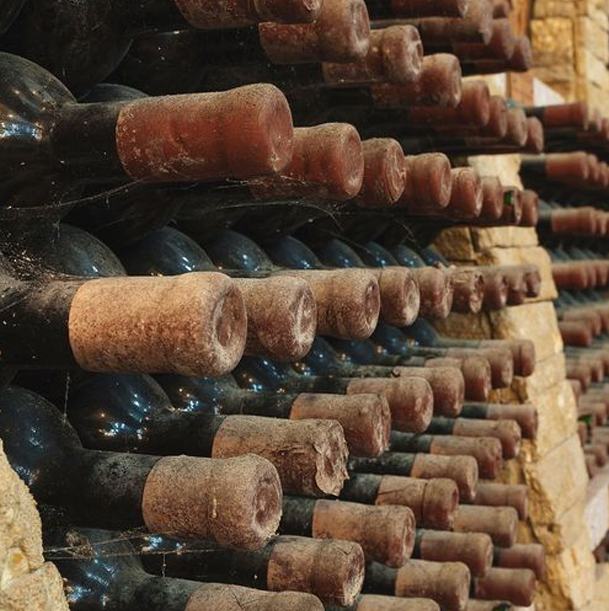
Wine ageing may be able to raise the standard of the beverage. Wine differs from the majority of other consumables in this way. The scent, colour, mouthfeel, and taste of wine can change in ways that may be more aesthetically pleasant to the taster, despite the fact that wine is perishable and capable to deterioration due to complicated chemical processes involving its sugars, acids, and phenolic compounds (such as tannins). Numerous elements, including as grape variety, vintage, viticultural techniques, wine location, and winemaking style, have an impact on a wine’s ability to age.
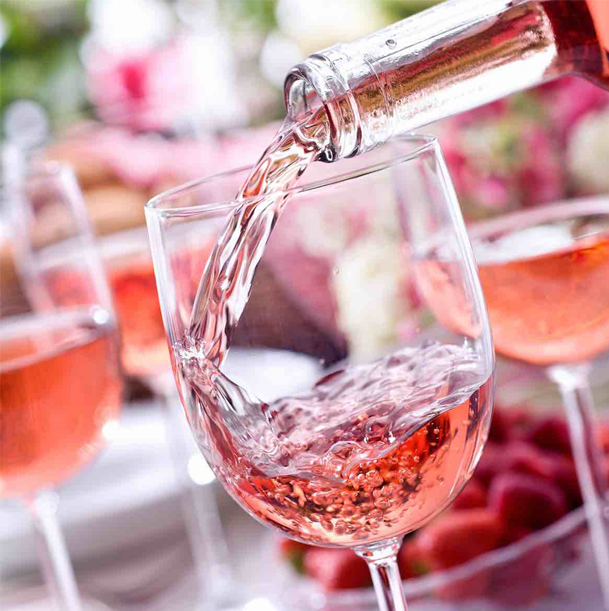
rosé
A variety of wine known as rosé contains some grape skin colour but not enough to be classified as a red wine. Given that it is the easiest wine to prepare using the skin contact method, it may be the oldest type of wine ever discovered. Rosé wines can range in sweetness from cloyingly sweet to arid. While modern rosé wines frequently have more sweetness, older rosé types will typically be relatively dry.
Sparkling Wine
A wine that contains a high amount of carbon dioxide and is hence bubbly is called sparkling wine. Even though the phrase frequently refers to champagne, countries are required by law to reserve the appellation for specially made goods. Although red sparkling wines like the Australian sparkling Shiraz and the Italian Brachetto, Bonarda, and Lambrusco are uncommon, they do exist. Sparkling wine is typically either white or rosé. Sparkling wine’s sweetness can range from very dry brut kinds to sweeter doux varieties. While most sparkling wines are made from Chardonnay, Pinot Noir, and potentially Pinot Meuniere grapes, sparkling Shiraz, a red sparkling wine made from Shiraz grapes, is an Australian specialty. Shiraz is typically quite sweet in …

175
+Wines
We Export